
Women's Nutritional Health Essentials
Discover the key nutritional pillars that support women's wellbeing at every life stage. Learn how targeted nutrition can empower your body and mind.
The information on this site is for educational purposes only and does not constitute medical advice. Always consult a qualified healthcare professional before making health decisions.
Six Core Nutritional Pillars for Women
A comprehensive approach to women's health through evidence-informed nutrition
Iron & Energy Vitality
Iron plays a critical role in oxygen transport and energy production. Women of reproductive age have higher iron needs due to monthly losses. Incorporating iron-rich foods—from leafy greens to legumes and quality proteins—helps maintain steady energy levels and supports cognitive function. Understanding how to combine iron sources with vitamin C foods enhances absorption naturally.
Calcium & Skeletal Strength
Building and maintaining bone density is essential throughout a woman's life, especially as hormonal changes occur. Calcium-rich foods—dairy, fortified plant-based options, and leafy greens—form the foundation of bone health. Combined with magnesium and vitamin K, a calcium-focused diet supports structural integrity and helps women maintain mobility and confidence as they age.
Protein & Muscle Resilience
Adequate protein intake is vital for building lean muscle, supporting recovery, and maintaining metabolic health. Women often underestimate their protein needs; aiming for quality sources like fish, poultry, legumes, nuts, and dairy ensures amino acids are available for muscle synthesis and repair. Distributing protein throughout the day optimizes muscle retention and functional strength.
Omega-3s & Cognitive Wellness
Omega-3 fatty acids—EPA and DHA—are foundational for brain function, mood stability, and heart health. Fatty fish like salmon, mackerel, and sardines, alongside plant sources such as flaxseeds and walnuts, provide these essential nutrients. Regular omega-3 intake supports memory, focus, and emotional resilience, making them especially important during hormonal transitions.
Antioxidants & Cellular Defense
Vitamins C and E, selenium, and polyphenols from colorful fruits and vegetables neutralize free radicals and support cellular health. Berries, citrus, leafy greens, nuts, and spices like turmeric provide diverse antioxidant profiles. A diet rich in these compounds supports skin vitality, immune resilience, and overall protective mechanisms at the cellular level.
Fiber & Gut Harmony
Dietary fiber supports digestive regularity, nourishes beneficial gut bacteria, and helps stabilize blood sugar. Whole grains, vegetables, legumes, and seeds provide both soluble and insoluble fiber. A fiber-rich diet fosters a thriving microbiome, which influences energy, immune function, and mood—key aspects of holistic women's wellness.
Why Nutrition Matters for Women's Health
Women's nutritional needs evolve across different life stages—from menstruation and fertility to perimenopause and beyond. Each phase brings unique demands that proper nutrition can meaningfully support. Understanding these shifts allows women to make informed choices that align with their body's natural rhythms.
Hormonal fluctuations influence mood, energy, metabolism, and nutrient absorption. A thoughtfully designed diet can help manage energy dips, support emotional balance, and maintain physical confidence. When women prioritize nutrition as a form of self-care, they often experience improved vitality, clearer thinking, and greater resilience.
Beyond individual benefits, strong nutritional practices contribute to long-term wellness. Investing in quality nutrition now supports bone health, cardiovascular function, and metabolic resilience for decades to come. This is not about restriction or perfectionism—it's about nourishing your body with intention and knowledge.

Understanding Nutritional Benefits Across Life Stages
How informed nutrition choices support women at different ages and circumstances
Reproductive & Active Years
- Elevated Iron Needs: Monthly menstruation increases iron loss; iron-rich foods maintain energy and prevent fatigue
- Calcium Accumulation: Peak bone-building years; strong calcium intake builds bone reserves for later life
- Energy & Endurance: Balanced macronutrients support active lifestyles and metabolic health
- Fertility Support: Nutrient-dense foods with folate, vitamin E, and zinc support reproductive wellness
Menopause & Beyond
- Bone Density Protection: Increased calcium, magnesium, and vitamin D become critical as estrogen declines
- Metabolic Adjustment: Higher protein intake helps preserve muscle mass and supports metabolic rate
- Heart Health: Omega-3s and plant sterols support cardiovascular function during hormonal transition
- Mood & Sleep Quality: Nutrient-dense foods with B vitamins and magnesium support emotional and sleep wellness
A Practical Guide: Building Your Nutrition Foundation
Four essential steps toward sustainable, informed nutritional choices
Assess Your Current Patterns
Take time to notice what you're already eating. Track meals for a few days without judgment—look for patterns in energy levels, mood, and digestion. This awareness reveals gaps and highlights what's working well.
Identify Your Nutritional Priorities
Based on your life stage, health goals, and current lifestyle, determine which nutritional pillars deserve focus. Are you looking to build energy? Support bone health? Improve digestion? Prioritization makes change manageable.
Create Achievable Changes
Start small. Maybe add one iron-rich recipe to your weekly rotation, or swap a snack for something fiber-rich. Gradual changes stick better than dramatic overhauls. Build momentum through small wins.
Monitor & Adjust Over Time
Notice changes in energy, mood, digestion, and overall wellness. Nutrition is personal—what works for one woman may need adjustment for another. Stay curious and responsive to your body's signals.
Practical Strategies for Daily Implementation
Actionable tips to weave nutrition knowledge into everyday meals and habits
Build Balanced Meals
Each meal should include a protein source, whole grain or starchy vegetable, and colorful vegetables. This combination provides sustained energy, essential amino acids, fiber, and micronutrients. A simple formula: your palm-sized protein, a fist of whole grains, and fill half your plate with vegetables.
Example: Grilled salmon, quinoa, roasted broccoli, and olive oil—delivers protein, omega-3s, B vitamins, and antioxidants in one meal.
Strategic Snacking
Snacks between meals sustain energy and prevent overeating. Choose combinations of protein and fiber: hummus with vegetables, nuts with fruit, or Greek yogurt with berries. Avoid snacking on refined carbohydrates alone, which spike blood sugar.
Example Snacks: almonds + dried fruit, cheese + whole grain crackers, or nut butter on apple slices.
Prioritize Hydration
Water is essential for energy, mental clarity, and digestive function. Many women mistake thirst for hunger. Aim for consistent water intake throughout the day—a simple goal is to drink a glass with each meal and snack. Herbal teas and water-rich foods like cucumber count toward hydration.
Tip: Start your day with a glass of water before coffee, and keep a reusable bottle nearby as a visual reminder.
Simple Meal Planning
Plan just 3-4 dinners for the week. Choose a protein, a grain, and vegetables you enjoy. Prep ingredients on one day (chop vegetables, cook grains) to streamline daily cooking. This removes decision fatigue and ensures you have nutritious options ready.
Example Week: Monday—fish and rice, Tuesday—chicken and pasta, Wednesday—legume-based soup, Thursday—repeat a favorite.
Nutritious Meals in Practice
Visual inspiration for balanced, whole-food eating
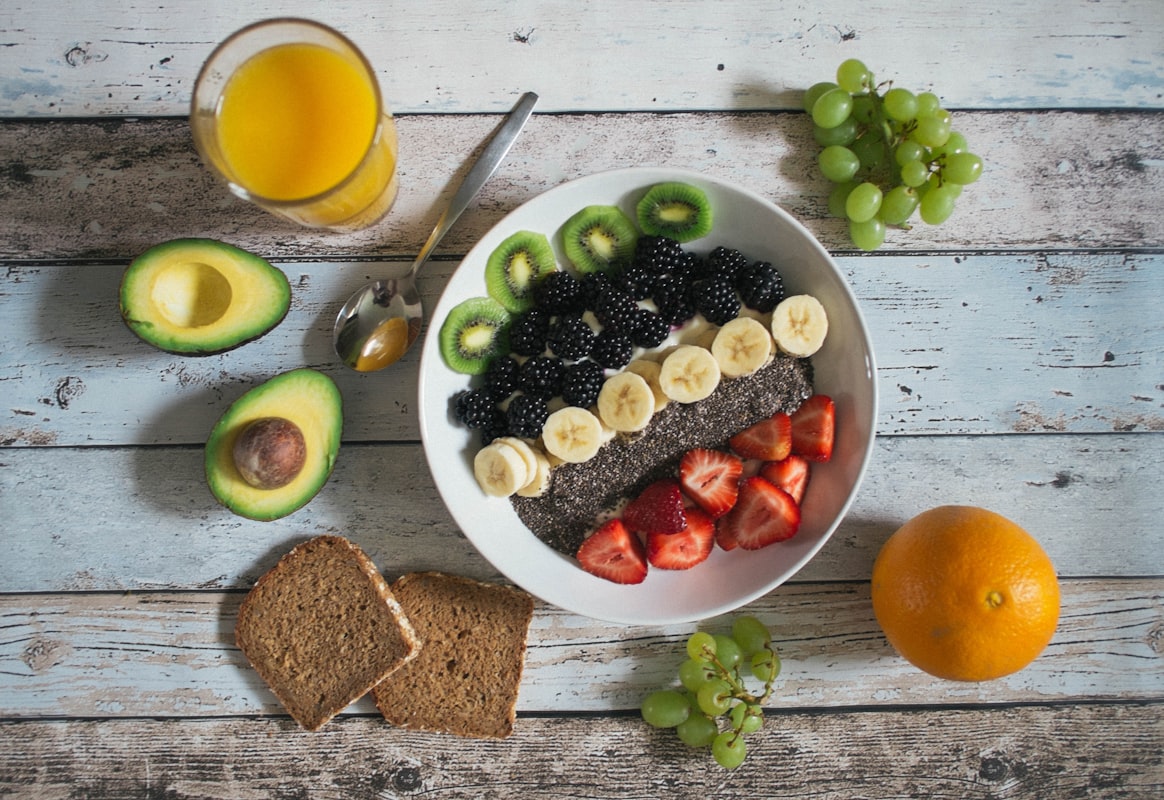
Mediterranean Grain Bowl
Whole grain base with roasted vegetables, chickpeas, feta, and olive oil dressing. Rich in fiber, plant-based protein, and antioxidants. Perfect for lunch prep—stores well and tastes better the next day.
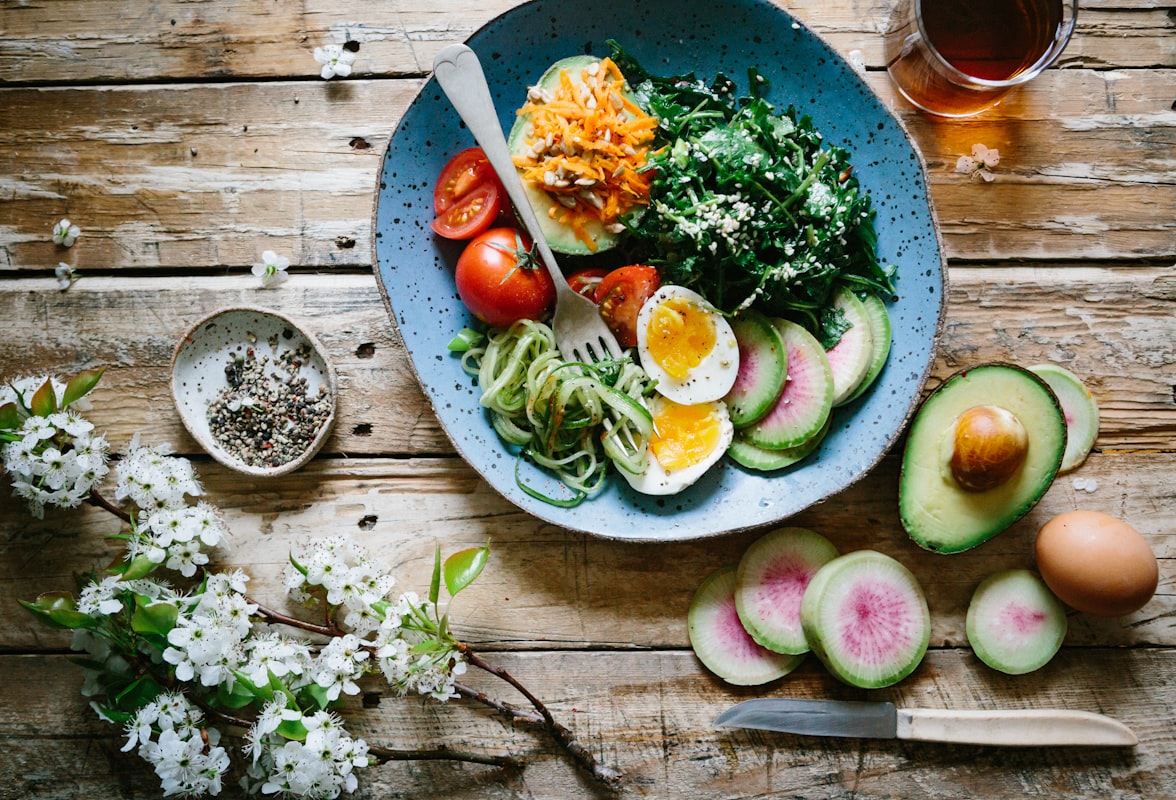
Omega-3 Rich Dinner Plate
Wild salmon, roasted broccoli, and sweet potato. Delivers omega-3 fatty acids for brain health, selenium for cellular protection, and vitamin C for iron absorption. Satisfying, simple, and nutrient-dense.
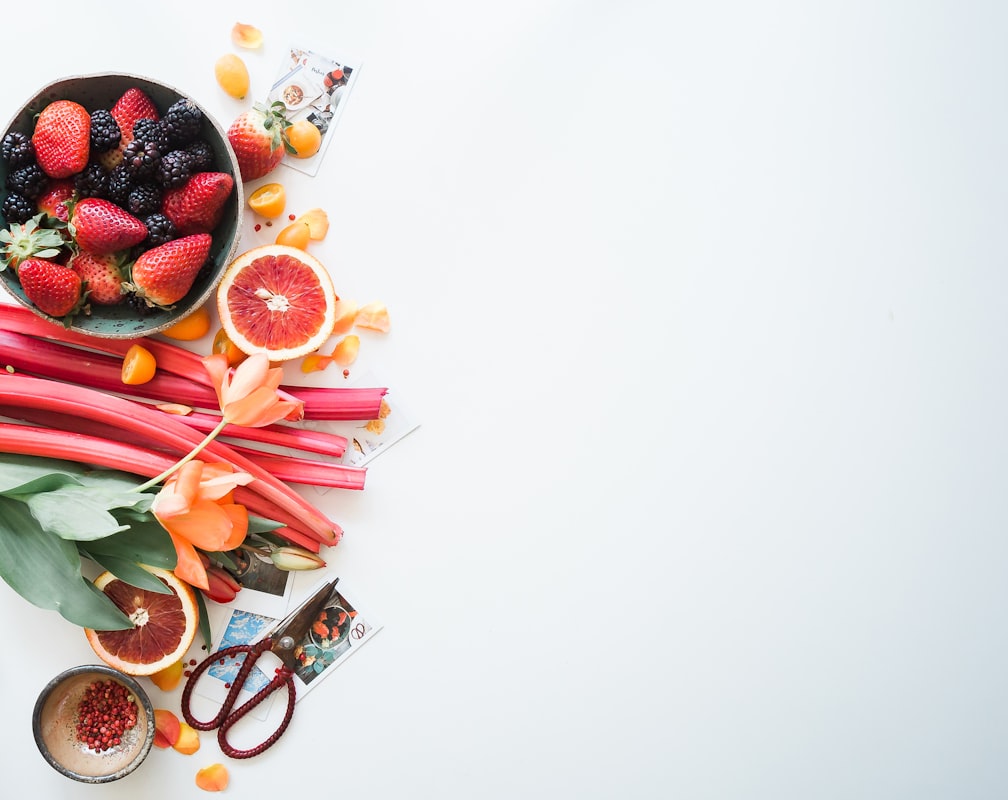
Antioxidant-Packed Salad
Mixed greens, berries, almonds, and a simple vinaigrette. Packed with polyphenols, vitamin E, and minerals. A fresh, lighter meal that still satisfies and supports cellular wellness.

Iron-Rich Lentil Soup
Hearty soup with lentils, spinach, and vegetables. Iron-rich lentils paired with vitamin C from tomatoes enhances absorption. Filling, warming, and supports sustained energy throughout the day.
Nutrition Questions Answered
Clear, evidence-informed responses to common nutritional inquiries
Adult women aged 19–50 need approximately 18 mg of iron per day; those over 50 need 8 mg daily. However, individual needs vary based on diet type, absorption, and activity level. Plant-based iron (non-heme) is less readily absorbed than animal-based iron (heme), so vegetarian women may benefit from slightly higher intake or combining plant sources with vitamin C-rich foods. Consulting with a nutritionist can help determine your personal needs.
Absolutely. Legumes (beans, lentils, chickpeas), tofu, tempeh, nuts, seeds, whole grains, and dairy or eggs provide complete or complementary proteins. Combining different plant sources throughout the day—such as rice with beans—delivers all essential amino acids. Plant-based women should aim for variety and adequate total intake to ensure sufficient amino acid availability for muscle maintenance and repair.
Calcium is critical during menopause because declining estrogen accelerates bone loss. Women over 51 need 1,200 mg of calcium daily, combined with vitamin D (800–1,000 IU) to support absorption. Adequate calcium intake, alongside adequate calcium intake, alongside weight-bearing exercise, helps prevent osteoporosis and reduces fracture risk during and after menopause.
Certain supplements may help manage vasomotor symptoms. Black cohosh, sage leaf extract, and red clover have shown promise in clinical studies for reducing hot flash frequency and intensity. However, results vary by individual. Always consult with a healthcare provider before starting any new supplement, especially if you're on other medications or have underlying health conditions.
Seek medical attention if you experience severe hot flashes disrupting daily life, persistent mood changes, chest pain, severe joint pain, or vaginal bleeding beyond typical menopause patterns. Regular check-ups with your healthcare provider help monitor bone health, cardiovascular health, and overall wellness during this transition.
Real Stories from Women Like You
Sarah M.
Age 52
"I was waking up three times a night from night sweats. The personalized nutrition plan from Vitally Women's Health changed everything. Within two months, my sleep improved dramatically."
Jennifer K.
Age 48
"The mood swings were affecting my relationships. With the holistic support and supplement recommendations, I feel like myself again. Highly recommend!"
Rachel C.
Age 55
"I finally understand what my body needs. The bone health guidance and calcium recommendations have given me peace of mind about osteoporosis."
Take Control of Your Menopause Journey
Start with a personalized consultation to discover supplements and nutrition strategies tailored to your unique symptoms and health goals.
No credit card required • Free 15-minute consultation • Expert guidance from certified nutritionists